

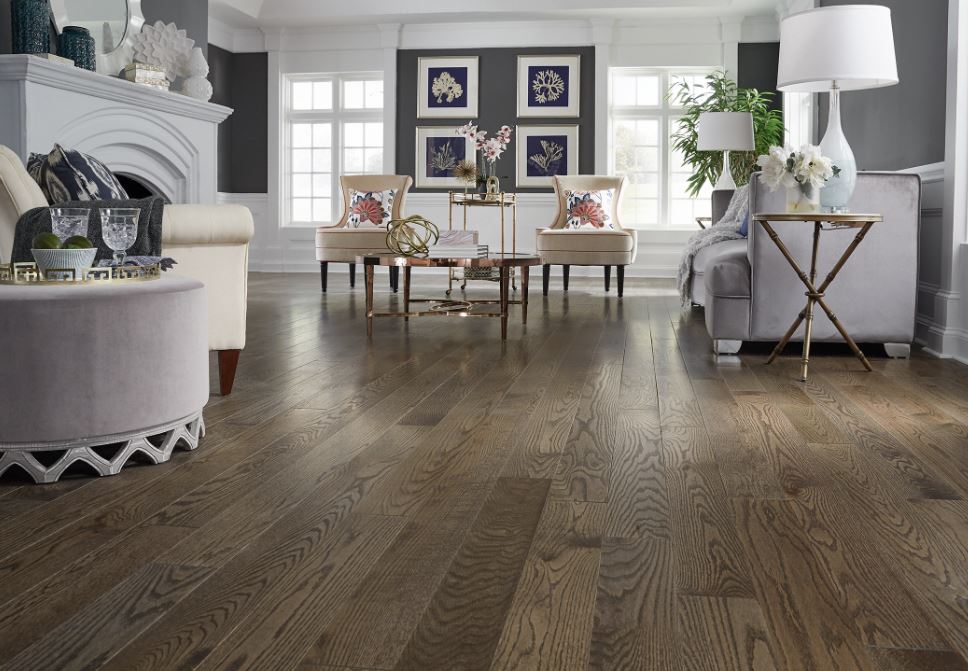
When it comes to interior design, flooring is often the unsung hero. It sets the foundation for your entire aesthetic, influences the mood of a space, and connects rooms together. But who says you have to stick with just one type of flooring throughout your home? Mixing textures—combining different flooring styles—can create visual interest, define spaces, and give your interiors a uniquely custom look.
The key lies in doing it seamlessly, so your home feels harmonious rather than mismatched. In this guide, we’ll explore the art of blending flooring styles without sacrificing flow or comfort.
Why Mix Flooring Textures at All?
Mixing textures in flooring isn’t just a bold design choice—it’s practical too. Here are a few reasons why it’s worth considering:
Room Definition: Open-concept layouts benefit from flooring changes to subtly divide spaces without using walls.
Functionality: Some materials are better suited to certain rooms. For example, tiles excel in moisture-prone areas like kitchens, while wood or carpet offers warmth in living spaces.
Design Personality: Layering textures reflects your style, whether you want a rustic-meets-modern vibe or a sleek, industrial feel.
By thoughtfully pairing materials, you get both function and form.
Popular Flooring Combinations
If you’re wondering where to start, these combinations have stood the test of time:
Hardwood and Tile
Perfect for open kitchens leading to living rooms. Tile handles spills and stains, while hardwood warms up adjacent seating areas. A transition strip or patterned tile border can bridge the two textures elegantly.
Carpet and Vinyl Plank
Ideal for bedrooms and hallways. Carpet provides comfort underfoot, while vinyl plank offers durability in high-traffic zones.
Stone and Wood
A luxurious combo often found in high-end homes. Stone adds cool sophistication to entryways, while wood brings inviting warmth to main living areas.
Patterned Tile and Neutral Laminate
Patterned tiles can create a statement in smaller areas like laundry rooms or powder rooms, balanced by the calm of neutral laminate in connecting spaces.
How to Blend Flooring Styles Seamlessly
Mixing flooring textures can go wrong quickly if not planned carefully. Follow these steps to ensure a cohesive look:
Stick to a Unified Color Palette
No matter how different the textures are, keeping them within the same tonal family ties them together. For example, pair warm oak wood floors with beige-toned stone or sandy-colored tiles.
Mind the Transition Points
The spot where two flooring types meet is critical. Use transition strips, inlays, or even a small border pattern to make the shift intentional rather than abrupt.
Balance Bold and Subtle Textures
If one flooring type is bold (like intricate patterned tile), keep the other subtle. Too many competing patterns can make a space feel chaotic.
Consider Room Size and Lighting
In small, dark rooms, avoid mixing flooring that’s drastically different in shade—it can make the space feel chopped up. Larger, brighter areas handle contrast more gracefully.
Match the Mood of the Room
A cozy family room with plush carpet pairs well with a warm-toned wood hallway. In contrast, a sleek modern kitchen with polished concrete might transition nicely into matte-finished hardwood.
Practical Benefits of Mixed Flooring
Beyond aesthetics, blending flooring types has real-world advantages:
Durability: Place resilient flooring in high-use areas while keeping softer, more comfortable textures in spaces where you relax.
Easy Maintenance: Spill-resistant surfaces in kitchens and bathrooms save time on cleanup.
Cost Control: Using more affordable flooring in less visible spaces can help manage your budget without compromising style.
Maintenance Tips for Multiple Flooring Types
Mixing flooring styles means you’ll need to care for each material properly:
Regular Cleaning for Each Surface: Follow the specific cleaning instructions for wood, tile, carpet, or laminate. Using the wrong method can damage the material.
Protect Transition Areas: These spots are more prone to wear. Consider adding rugs or mats in high-traffic intersections.
Humidity Control: If you mix wood with other materials, maintain consistent indoor humidity to prevent warping or gaps.
Spot Repairs: Keep extra tiles or planks from your original installation for quick fixes in case of damage.
Inspiration for Mixed Flooring Designs
If you need ideas, here are a few creative approaches:
Chevron Wood Meeting Hexagonal Tile: The irregular meeting point adds a playful twist.
Marble Entryway Flowing into Walnut Floors: A luxe welcome that transitions into warmth.
Herringbone Wood Border Around a Carpeted Area: Creates a “rug effect” without the loose fibers.
Final Thoughts
Mixing flooring Dubai textures is both a design statement and a practical choice. When done right, it creates visual flow, enhances functionality, and showcases your unique taste. The secret is balance—keep colors harmonious, transitions intentional, and textures complementary. Whether you pair rustic wood with sleek tile or soft carpet with durable laminate, you can transform your home into a dynamic, visually engaging space that feels cohesive and intentional.
Flooring might be the foundation of a room, but it doesn’t have to be uniform from wall to wall. With thoughtful planning, you can blend textures seamlessly and let your floors tell a story that’s as unique as your home.
