

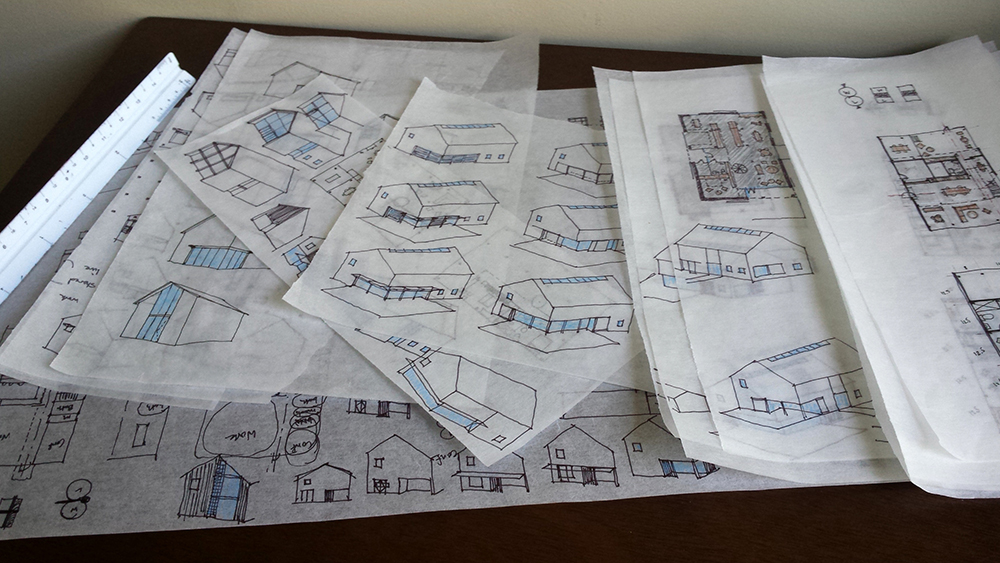
Successful project management begins well before we execute any plan. It begins with clarity. Even the strongest of teams will struggle in its absence. This is why conceptual design is so crucial to the outcome.
Conceptual design sets direction before specifications, timelines, or budgets are available. It crystallizes early concepts into a vision that informs every subsequent decision.
What is Conceptual Design?
Conceptual design is the first formal stage of turning an idea into a feasible plan. It describes alignment on purpose, intent, and high-level direction, not on granularity.
This stage answers essential questions:
- What problem are we solving?
- Who is the solution for?
- What should success look like?
Conceptual design prevents thinking getting locked too early when decisions were made.
Why Conceptual Design Comes First?
The same applies to many projects, not because they were poorly executed, but rather because the goal was never fully defined. Teams can be quick, but not always in the same direction.
Conceptual design helps by:
- Aligning stakeholders early
- Reducing confusion during execution
- Preventing costly changes later
Which saves time and money. the clear direction.
Conceptual Design − The Crucial Aspects of
Conceptual design walks the line between axis and flow. It establishes the framework of ideas without preventing creativity and innovation.
Typical elements include:
- Core concept or vision
- Functional priorities
- User needs and experience
- High-level structure or layout
Together these elements create a framework for later development.
How Conceptual Design Improves Execution
We can execute more seamlessly when the concept is simpler. Teams are clear not only on what to do, but also why they are doing so.
For example:
- Designers create with confidence
- Developers understand where effort should be placed
- Choices fall in line with the original purpose
Details support the idea with conceptual design − not distract.
Conceptual Design vs. Detailed Design
Different stages kind of have different purposes, so you can mix them. However, some should not be mixed so fast.
Conceptual design:
- Defines direction
- Explores possibilities
- Answers the “why”
Detailed design:
- Finalizes measurements
- Specifies materials
- Answers the “how”
Separating these stages prevents you from having to redo work, and eliminates frustration.
Common Mistakes in Conceptual Design
Being hasty at this stage can result in disastrous early planning.
Common mistakes include:
- Adding detail too soon
- Ignoring user needs
- Designing without clear goals
A well-defined conceptual design is specific, but allow for iteration.
Who Benefits from Conceptual Design?
Conceptual design enables all project stakeholders.
- Clients gain clarity and confidence
- Teams stay aligned
- Reduces reworks and fast tracks projects
Conceptual design is beneficial to any project that values direction.
The Long-term Success of the Conceptual Design
As projects move ahead, the pressure builds more and more. Budgets tighten. Deadlines shorten. Expectations rise.
This is where your conceptual design is very crucial at the beginning. It helps in establishing a strong base prior the constraints pop up. A good idea can stand the pressure. A weak one does not.
Final Thought: Direction Before Detail
Details will always change. Direction should not.
The conceptual design lights up the way before the labyrinth. It gives purpose to ideas and structure to visions.
Great execution is a simply a consequence of a great concept.
Approach conceptual design first and everything else will flow from that.
